The Tsavorite Guide
Understanding
a stone within the suite.
This guide begins with the raw material itself. Tsavorite is a green variety of grossular garnet. Colour, cut, clarity, carat weight, and the records supplied for the suite are the useful places to start.
Mineral Group
Garnet (Grossular)
Colour Agents
Vanadium & Chromium
Hardness
7–7.5 Mohs
Refractive Index
Published Kenyan samples: 1.729–1.748
Treatment
Confirm from suite-specific evidence
Geological Context
Mozambique Belt
Records
Supplied for the suite
Geological context
Start with what can be seen and checked.
The Mozambique Belt provides geological context for tsavorite found in parts of East Africa. Stone-specific origin and history come from the records supplied for the individual raw material.
Community, custodial and public-authority statements remain attributed to their named source. Suite documents are presented within their stated scope.
“Vanadium and chromium contribute to tsavorite’s green appearance. A stone within the suite remains a gemstone assessed on its own characteristics and records.”
TSAVORA®
The Colour Spectrum
From mint to deep forest. A range of greens to consider.
Tsavorite can range from pale mint to deep forest green. The way a colour appears depends on the stone, its cut, the light, and the setting. A clear view of the suite is more useful than a universal rule.
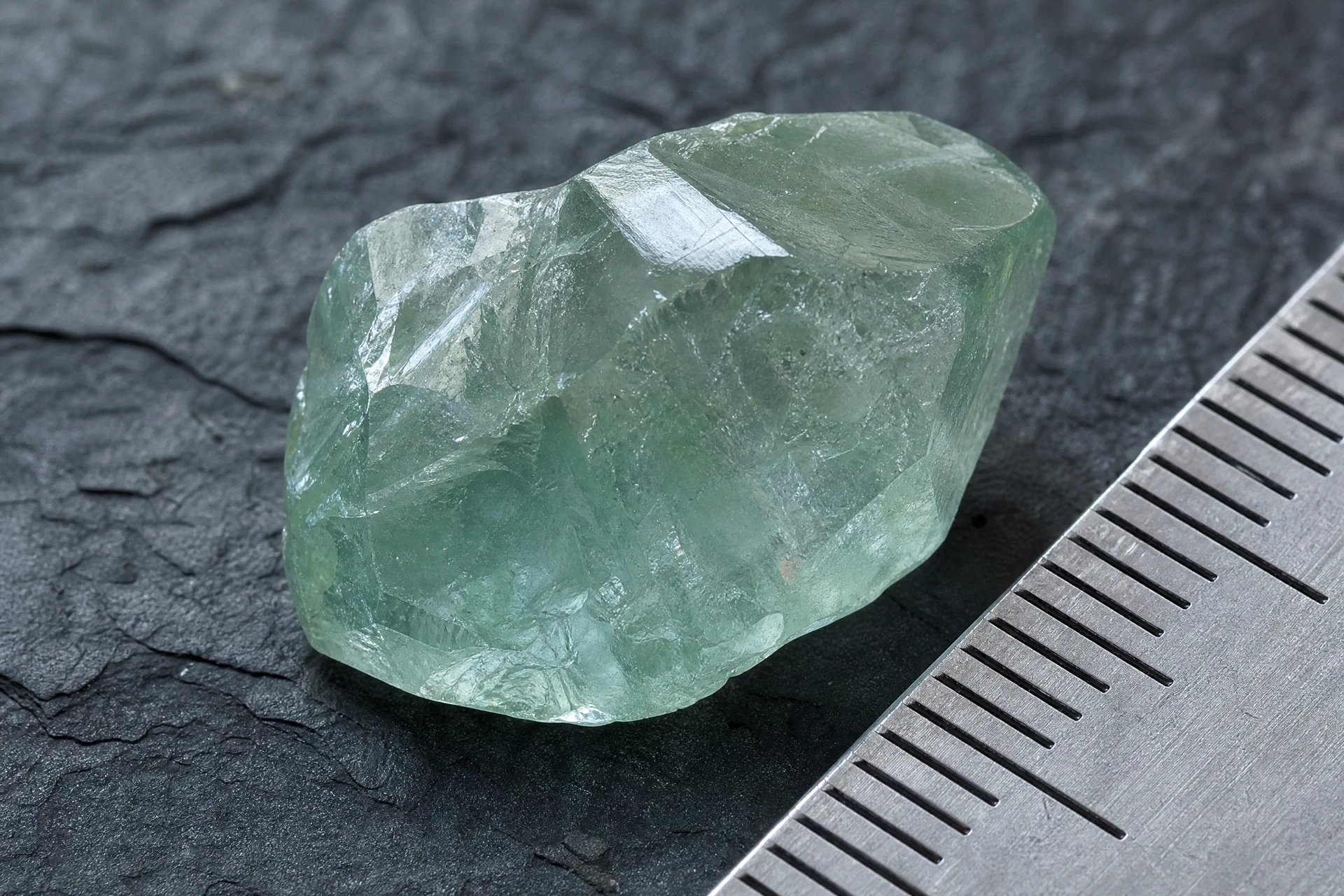
Lighter green
Mint & Pale Green
Pale mint and sage greens can read open and bright. Cut, surrounding metal and viewing light affect the stone’s appearance.
Stone note
Consider the stone in different light
Viewing note
Consider the stone in different light
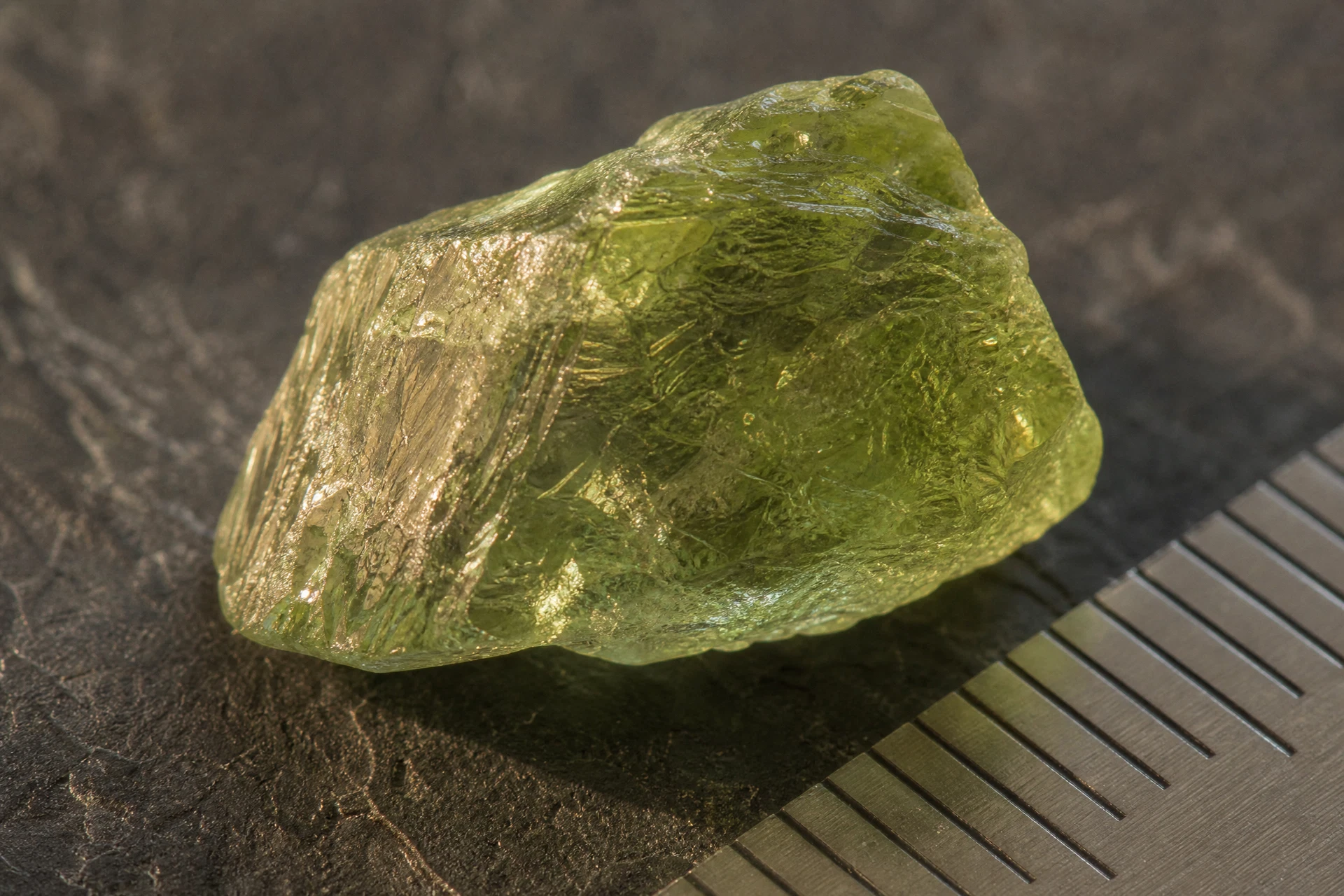
Warm green
Soft Sage & Yellow-Green
Yellow-green and sage tones show a warmer side of the tsavorite range. Colour is assessed alongside cut, clarity and the intended design.
Stone note
Warmth and saturation vary by stone
Viewing note
Warmth and saturation vary by stone
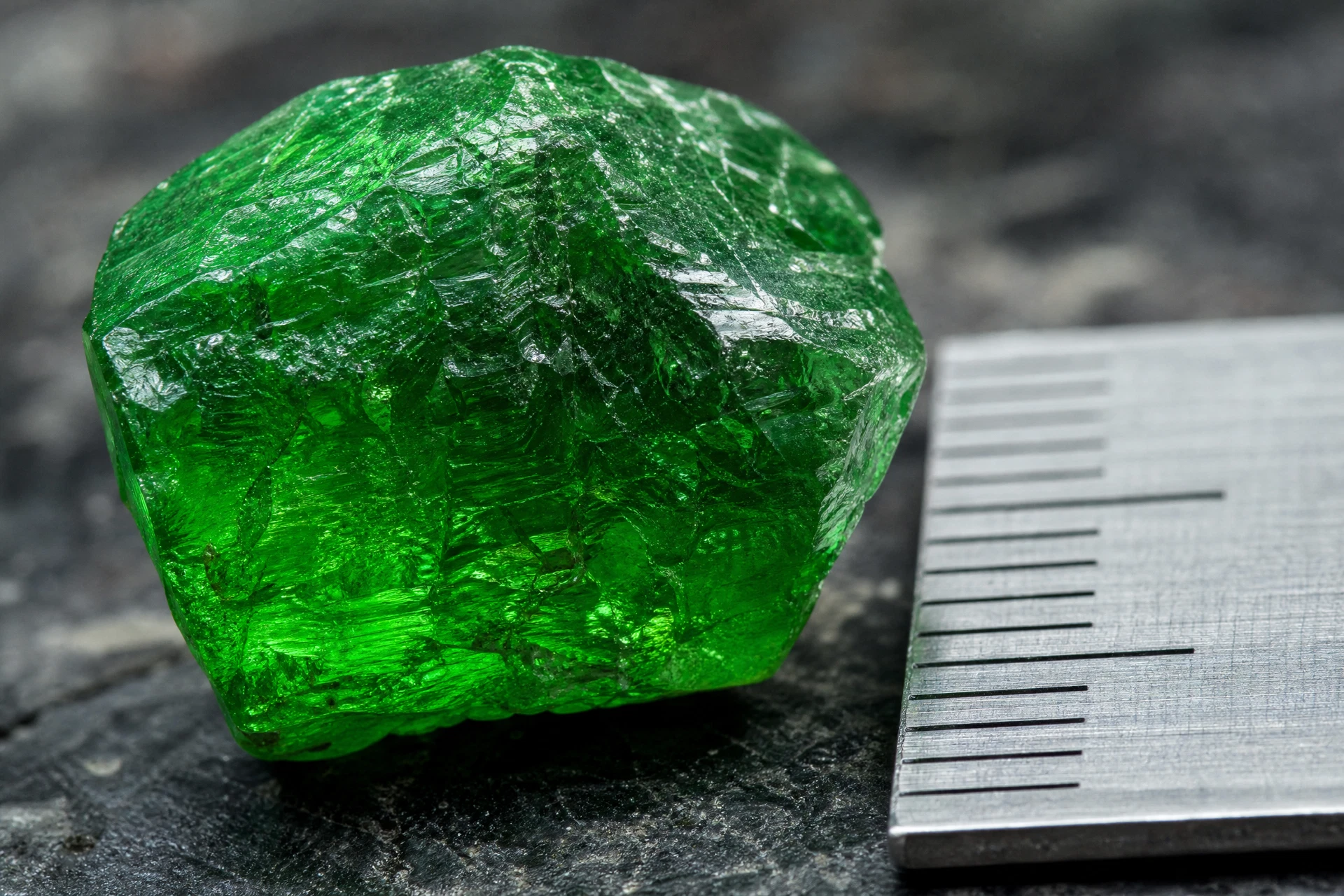
Vivid green
Vivid Mid-Green
A vivid mid-green can appear lively when the cut and lighting work well together. Appearance is assessed in person or through clear imagery and records supplied for the stone.
Stone note
Assess colour with cut and clarity
Viewing note
Assess colour with cut and clarity
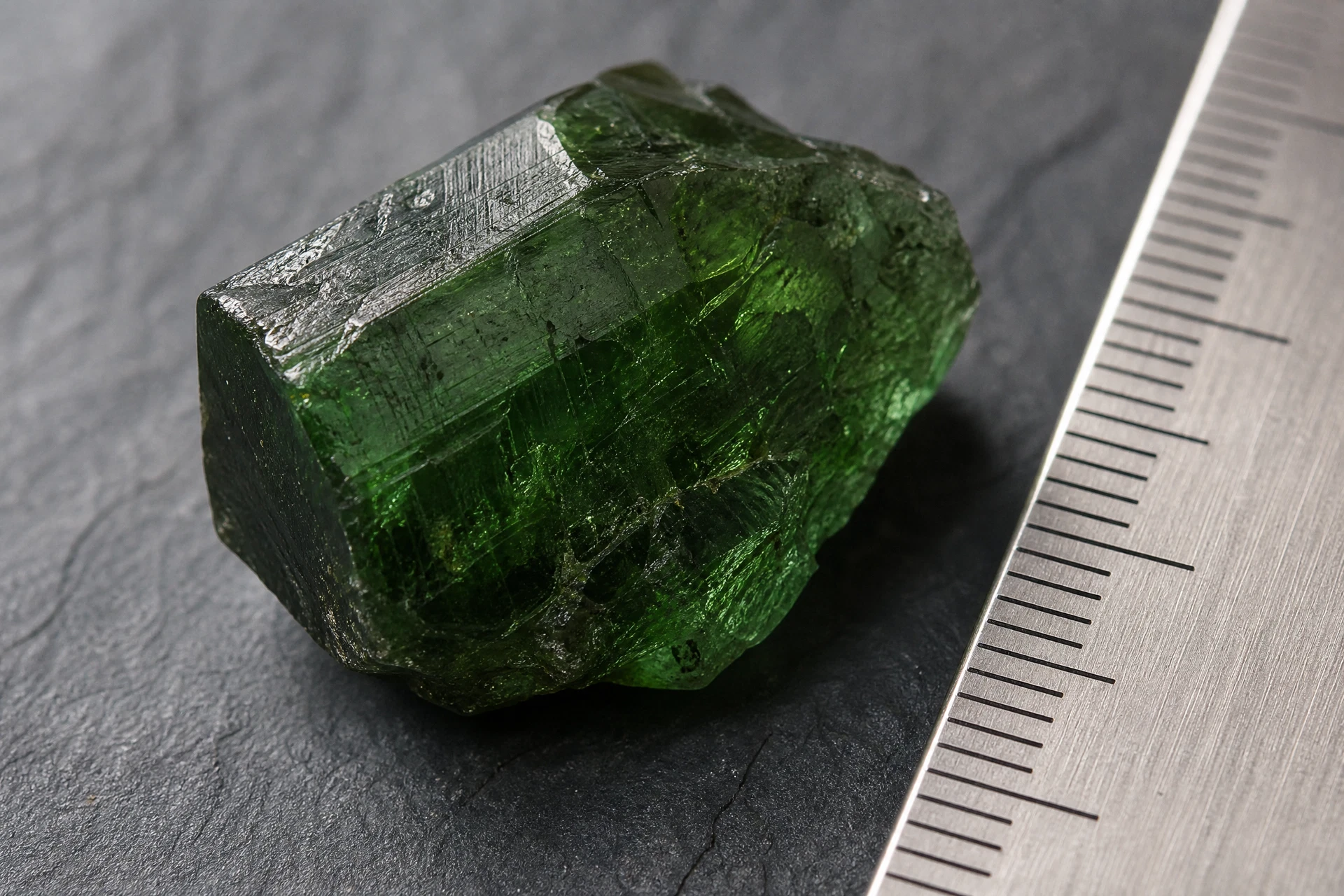
Deep green
Deep Vivid & Bluish-Green
Deeper green stones may show a bluish note. Their appearance can change noticeably between daylight and lower light, so viewing conditions matter.
Stone note
Review in the intended setting
Viewing note
Review in the intended setting
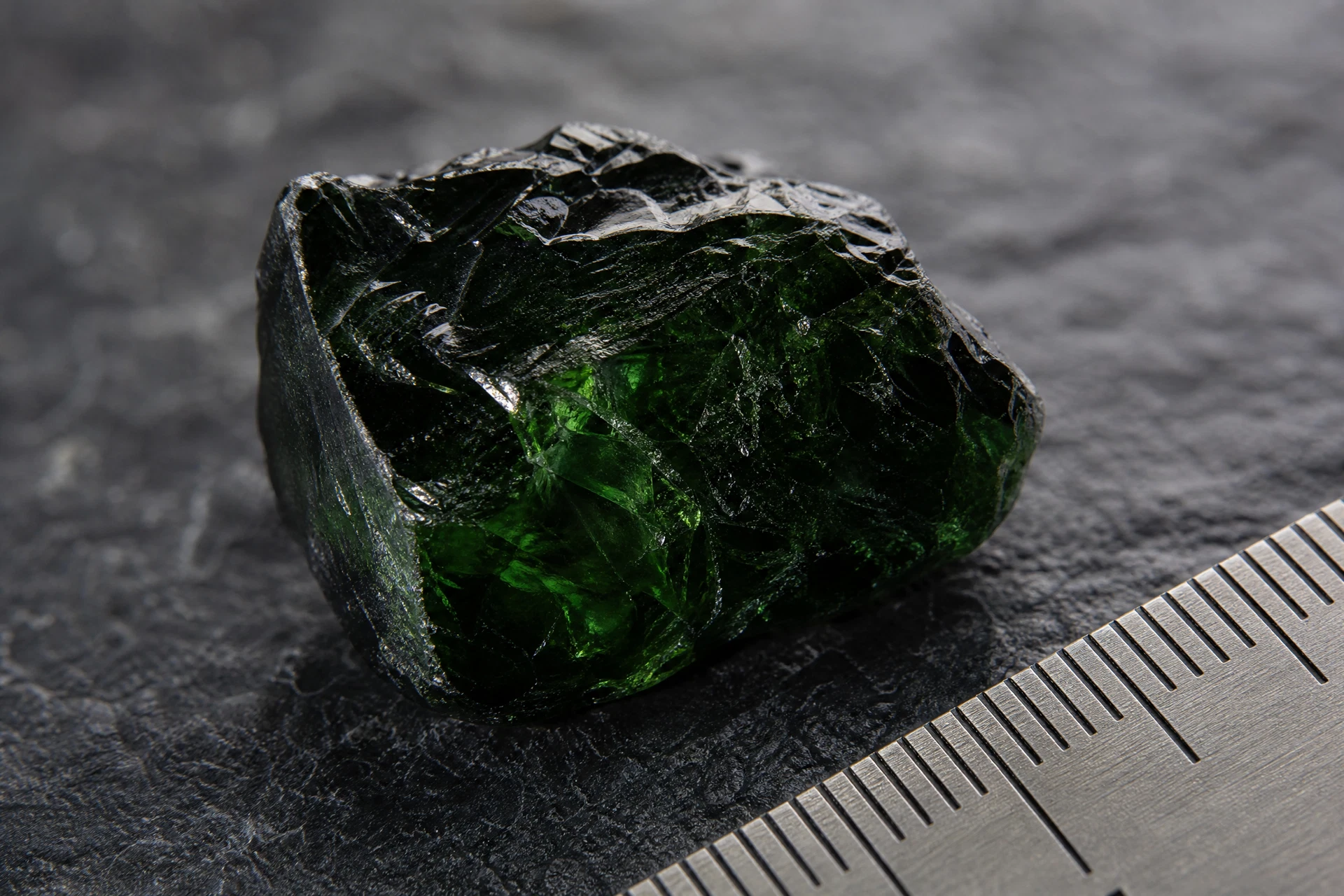
Forest green
Deep Forest & Ink Green
Forest and ink greens can feel more subdued or more saturated depending on the cut and light. A clear view of the suite is more useful than a universal colour rule.
Stone note
Light return varies by stone
Viewing note
Light return varies by stone
Tsavorite can range from pale mint to deep forest green. The best choice is personal: some people prefer a light, open green; others are drawn to a vivid mid-tone or a deeper, more saturated shade. Viewing the stone in different light and against the intended setting is often more useful than following a universal rule.
Colour is one part of the decision. Cut, clarity, size, treatment disclosure and intended wear carry equal weight.
Size and quality
Size, quality, and context all matter.
Above 1 carat
Larger tsavorite can be harder to encounter in fine colour and clarity, but suitability always depends on the suite and the intended design.
Above 3 carats
At larger sizes, colour, clarity, cut, and proportion become especially important. Independent assessment can help place a particular stone in context.
Above 5 carats
A larger stone can be striking, but size alone does not determine quality, rarity, or value. Consider the complete set of characteristics and the supporting information available for that stone.
Independent assessment
If origin or treatment is important to your decision, seek an independent laboratory opinion for the particular stone.
Stone considerations
Tsavorite vs Emerald
A comparison to make within the suite.
Emerald and tsavorite are different mineral species with distinct appearances and treatment conventions. A useful comparison begins with the suite and the questions that matter to you.
Clarity varies across material within a suite.
Clarity varies across material within a suite and is assessed in context.
Confirm treatment status from the records supplied for the suite.
Treatment disclosure is an important question for the suite.
Published measurements are reference context; cut and lighting affect appearance.
Cut, clarity, and lighting affect appearance.
Consider the suite’s cut, setting, and intended use.
Consider the suite’s cut, setting, and intended use.
Source records vary and are reviewed for the suite.
Laboratory and treatment records vary by suite.
A choice may suit someone drawn to its colour and appearance.
A choice may suit someone drawn to its distinct character and history.
“The right green gemstone is the one whose character and records you understand.”
What to consider in a tsavorite
Four useful points to consider.
01
Colour
Colour is often the first thing people notice. Consider hue, tone, saturation, and how the stone looks in the light and setting you have in mind.
02
Clarity
Clarity influences the way a stone presents and is assessed alongside colour, cut, durability and intended use.
03
Cut
Cut affects proportion and light return. Look at the suite and ask how its cut supports the colour and appearance you value.
04
Carat Weight
Consider carat weight together with colour, clarity, cut, the intended design, and the documentation available for the suite.
Make an enquiry
Start with the stone you have in mind.
Tell us what you are considering — colour, shade, or purpose. We can discuss the qualities that matter and the records supplied for any stone considered.